0
0,00 € 0 items

No products in the basket.

Practical guide · Boccia

New doesn’t mean
ready.

Your boccia balls have just arrived. Here is how to break them in so they all roll, bounce and stop in exactly the same way.
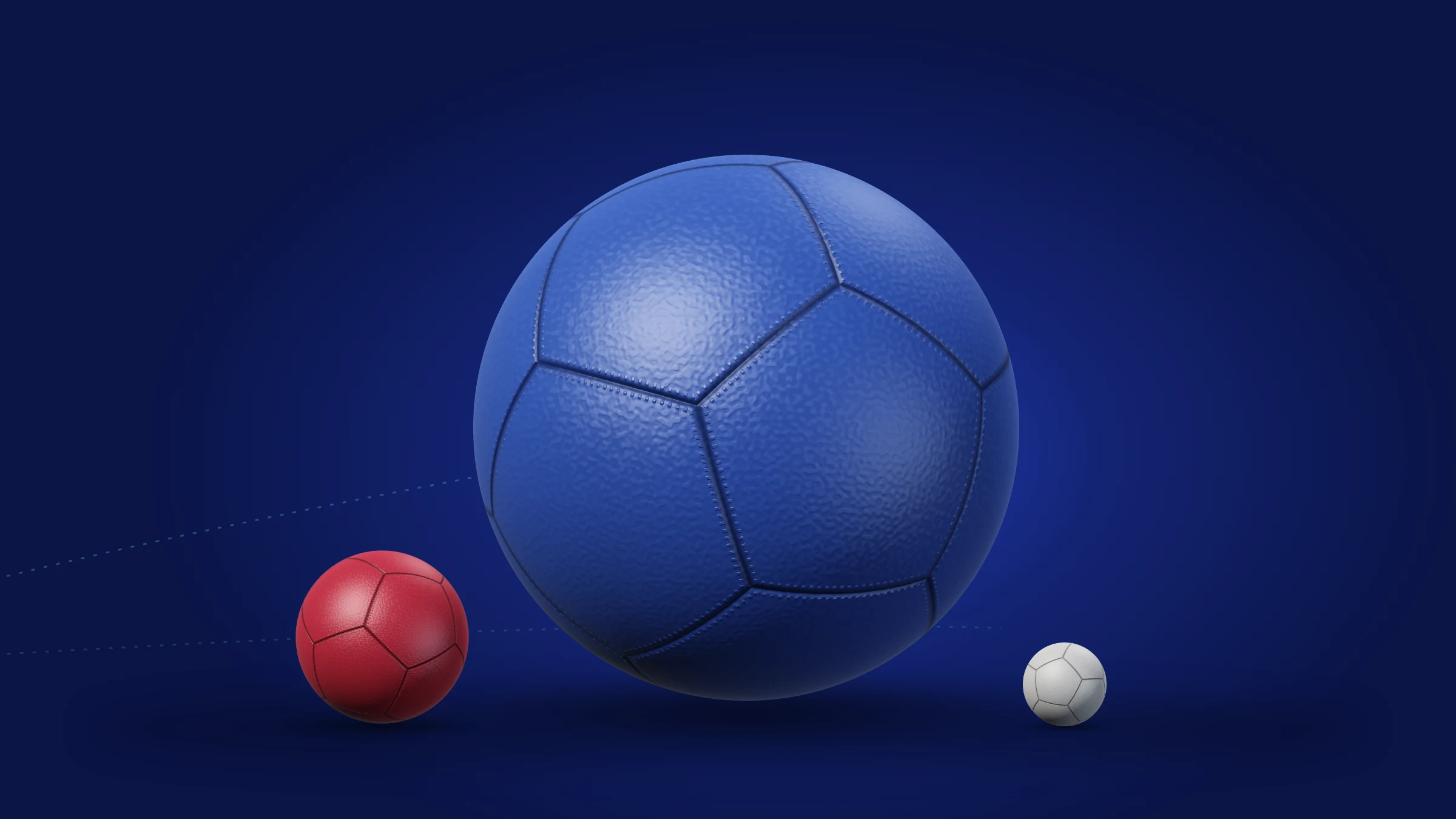
Three leather boccia balls, one blue, one red and the white jack, on a navy background
First things first

What you are noticing
is normal.

Do your balls feel firmer than expected, fail to roll straight or stop in different places? That is exactly how a new set behaves. A boccia ball is filled with granules: straight out of production, it is rarely perfectly round, nor identical to the others.
Whatever the brand, a new set is not yet ready for precision play. 
Breaking in is a necessary step for every set of balls.
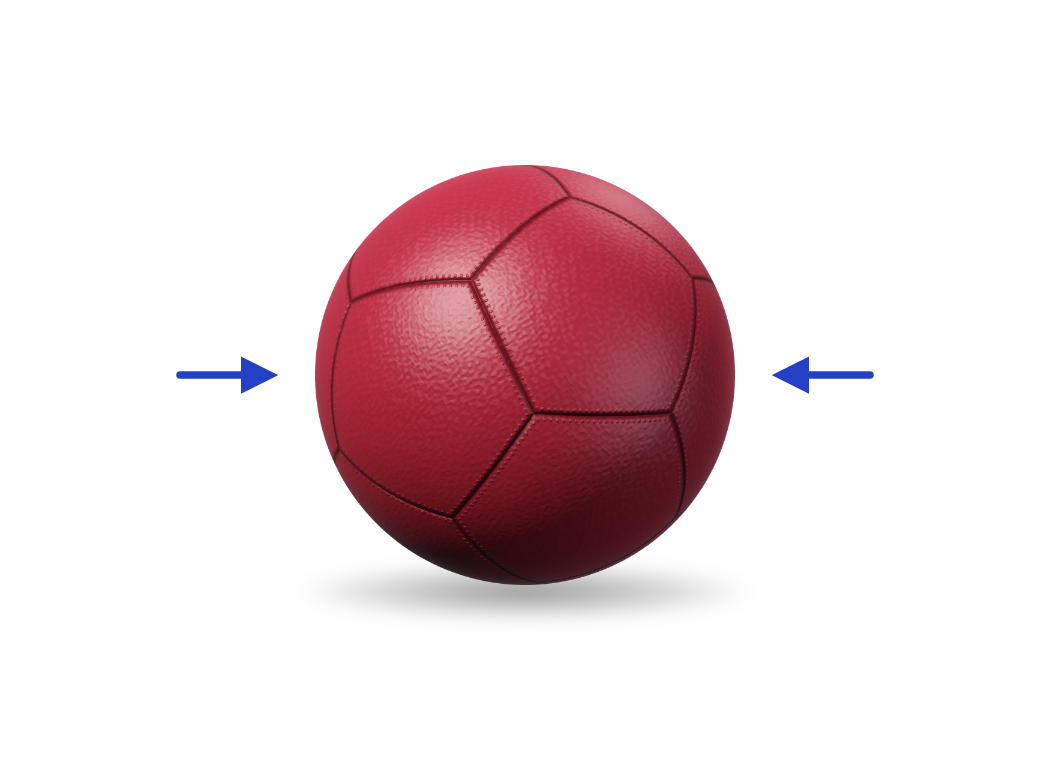
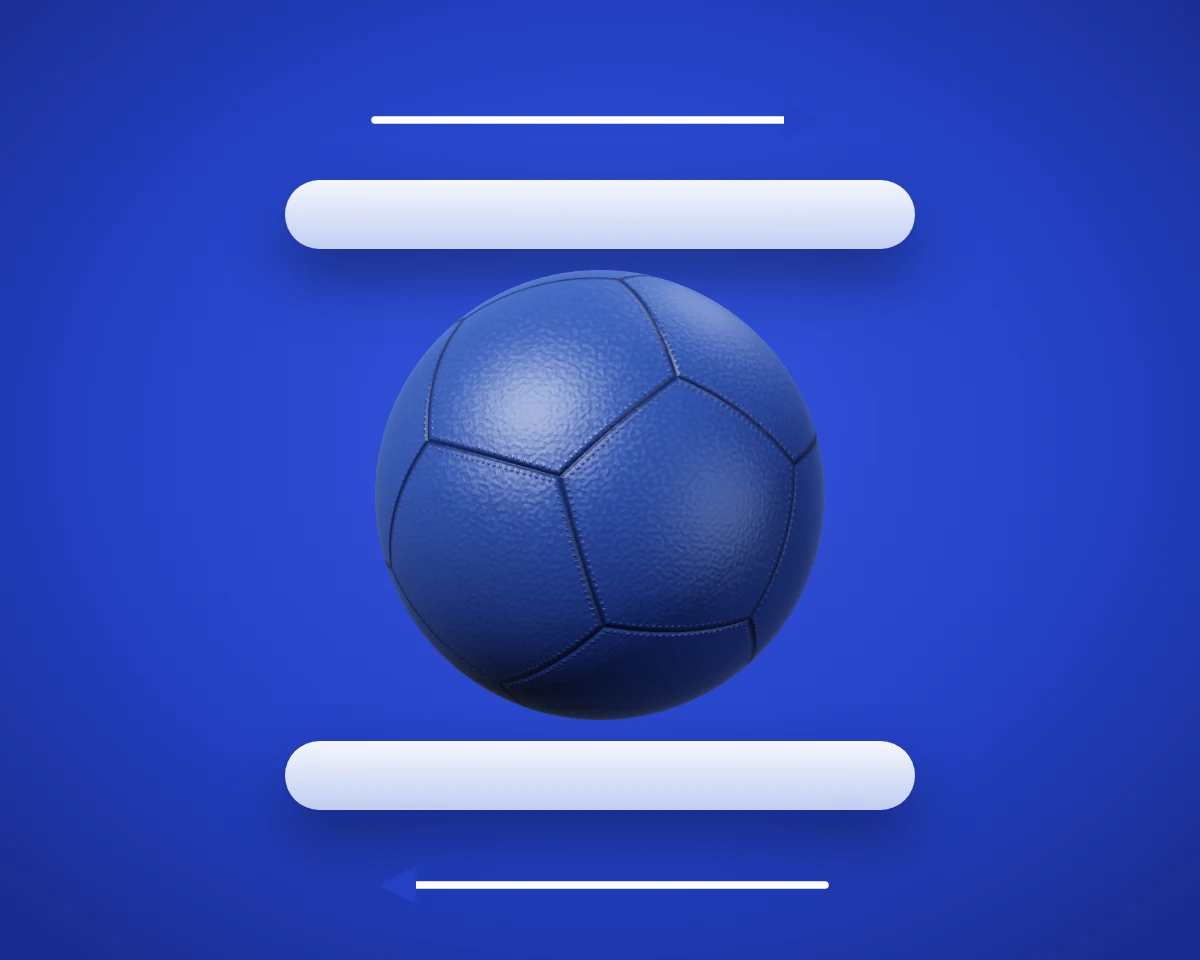
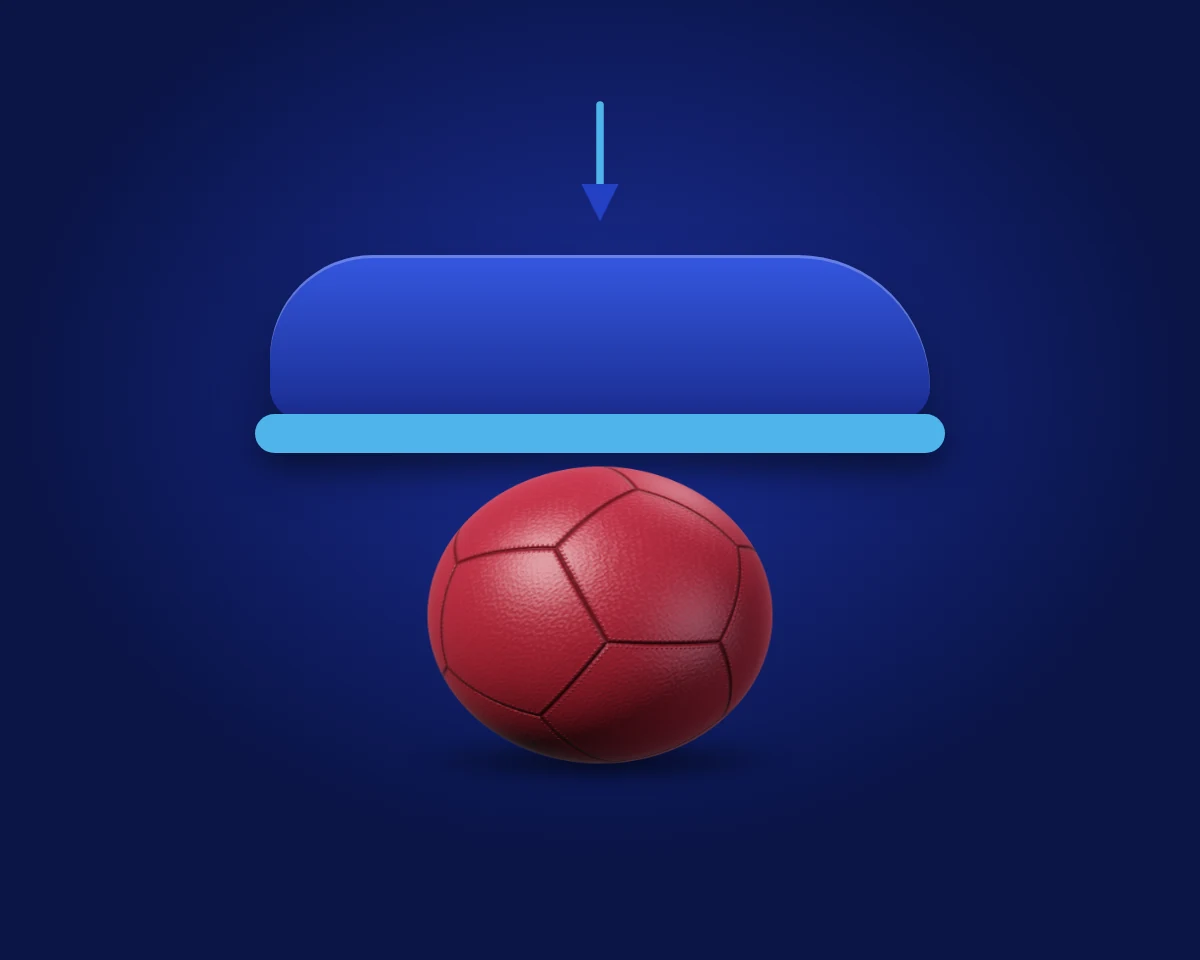
New red boccia ball, firmer than expected

Firmer than expected

The cover and the granules have not settled yet. A new ball often feels harder than it will once broken in.
Off-line trajectory of a new boccia ball

It doesn’t roll straight

A slightly irregular shape is enough to pull the ball off line or make it bounce sideways.
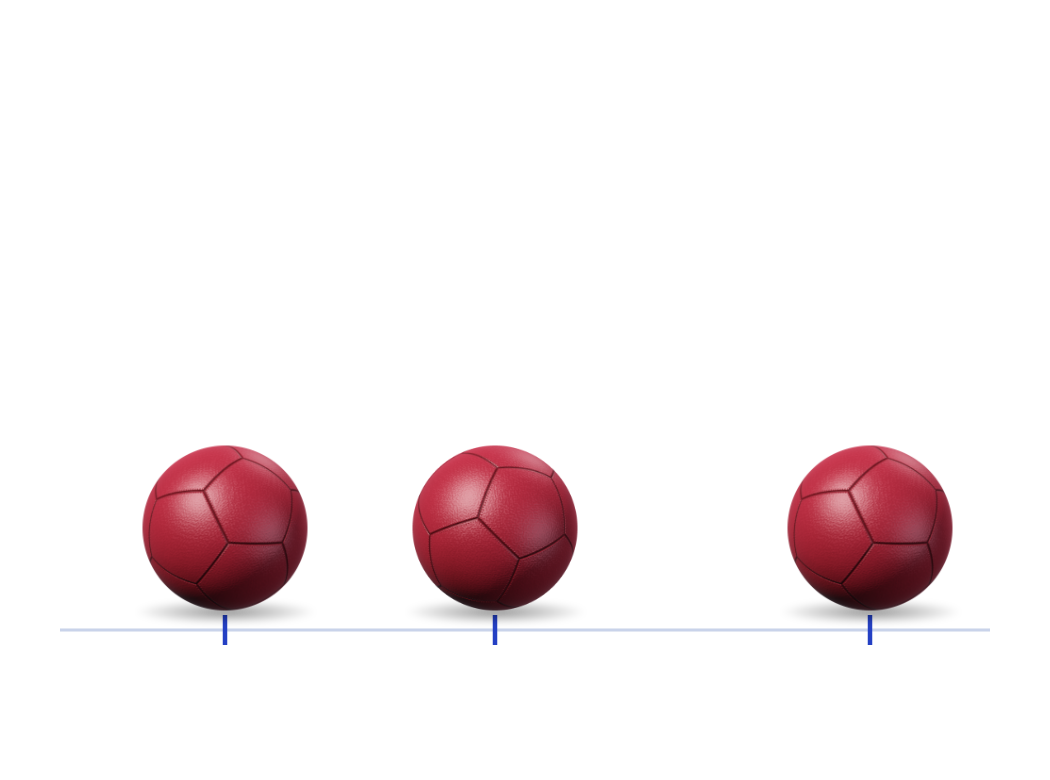
Three boccia balls of the same hardness stopping at different distances

It stops somewhere else

Thrown with the same action, two balls of the same hardness do not end up in the same place.

A new ball has to be discovered.
A broken-in ball can be mastered.

The method

Breaking in, in 4 steps.

Breaking in turns thirteen new balls into a consistent set: balls that all behave the same way, so the player can trust them.

01

Check

Contents and compliance, as soon as they arrive.

02

Test

Throw the set and spot the differences.

03

Rework

Reshape the balls that stray.

04

Repeat

Until all 13 balls are consistent.
Step 01

Check before you play.

Before any work, take stock of your set.
This check takes a few minutes and gives you a reliable starting point.
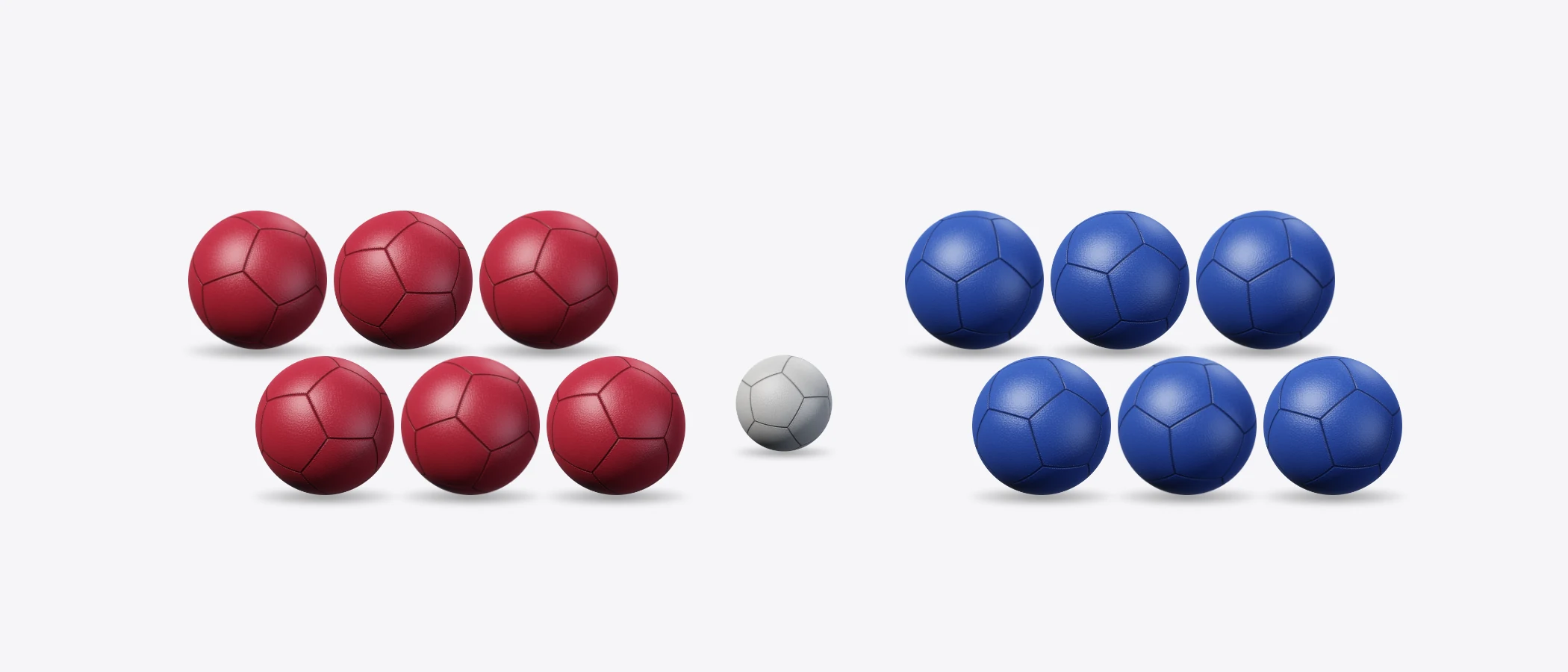
Complete boccia set: 6 red balls, 6 blue balls and the white jack
Make sure the set is complete: 6 red, 6 blue and 1 white jack.

Competition reference values

WEIGHT
263 – 287 g
CIRCUMFERENCE
26.2 – 27.8 cm
A ball used in competition must fall within both ranges. A kitchen scale accurate to the gram is enough for the weight.
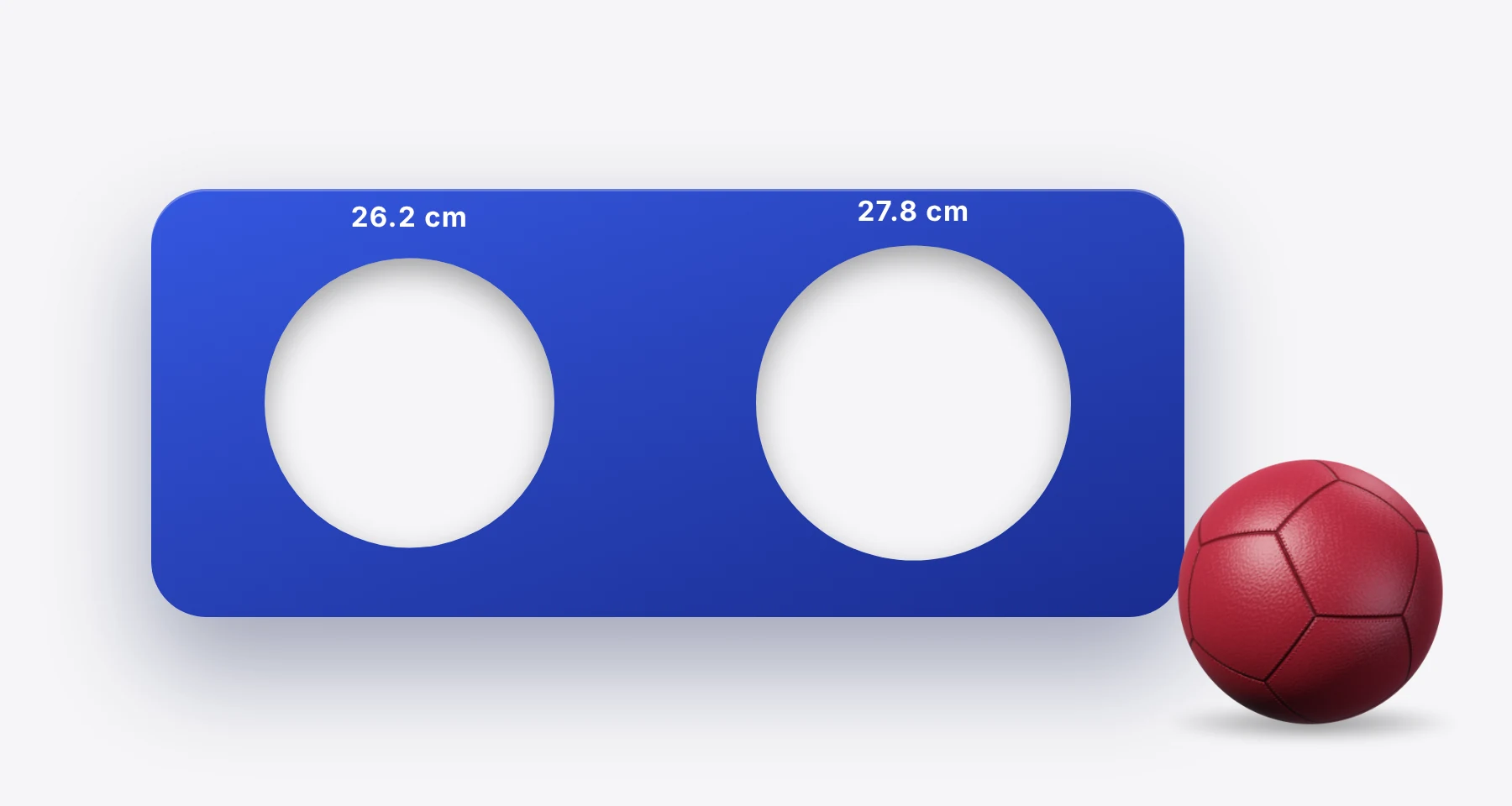
Boccia ball gauge with 26.2 cm and 27.8 cm openings

The gauge test

Small opening, 26.2 cm: the ball must not pass through.
Large opening, 27.8 cm: the ball must pass through.
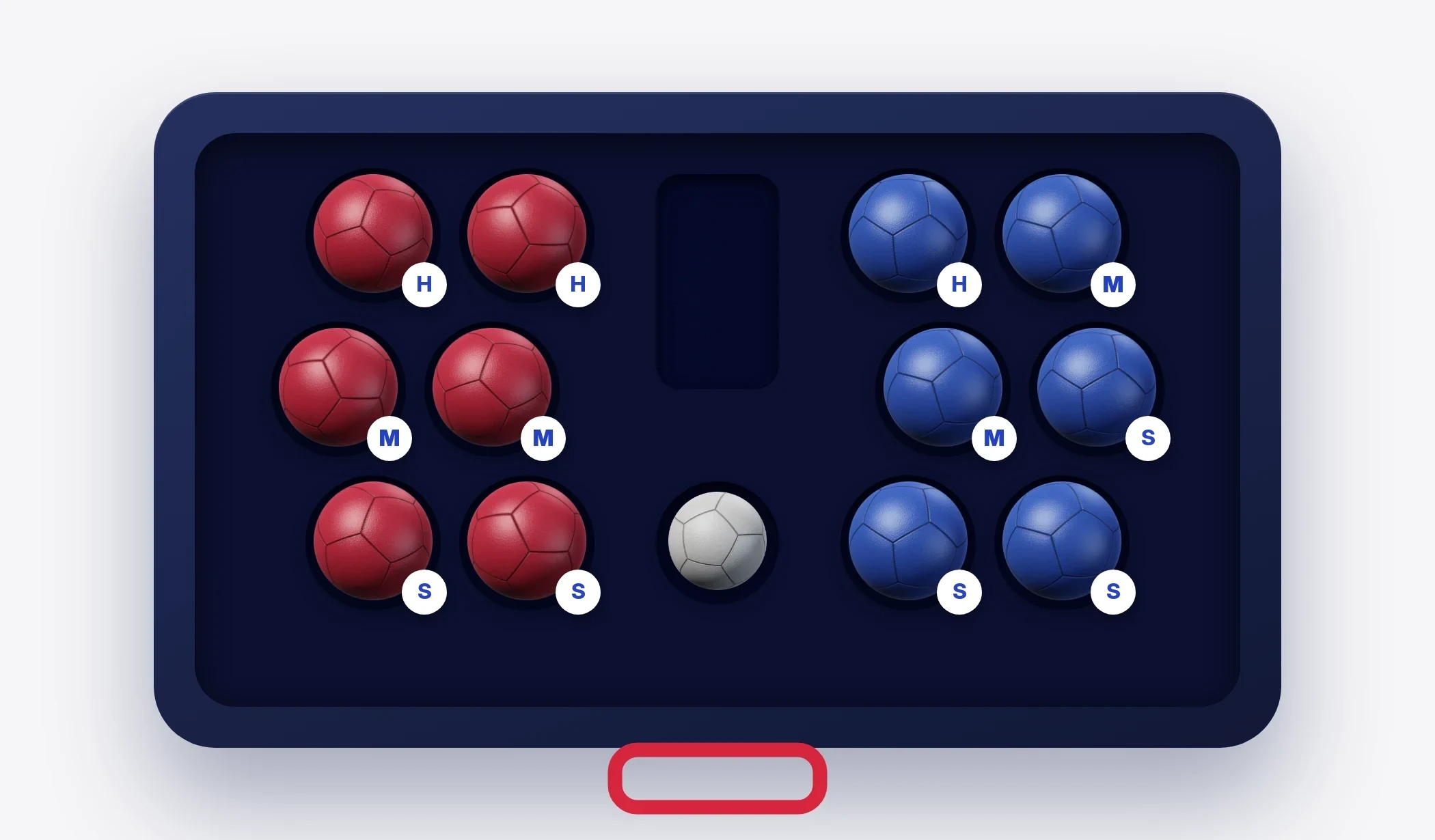
Boccia case: each ball in its own position, identified by hardness
Set checked before dispatch

The case tells you the hardness of each ball.

If your set combines several hardnesses and was checked before dispatch, each ball sits in the case in the position shown on the inspection report. Its position is all you need to identify its hardness. Keep this order: you will use it at every break-in session.
Example: H for hard, M for medium, S for soft. The actual layout is the one on your inspection report.
Step 02

Throw. Watch. Spot.

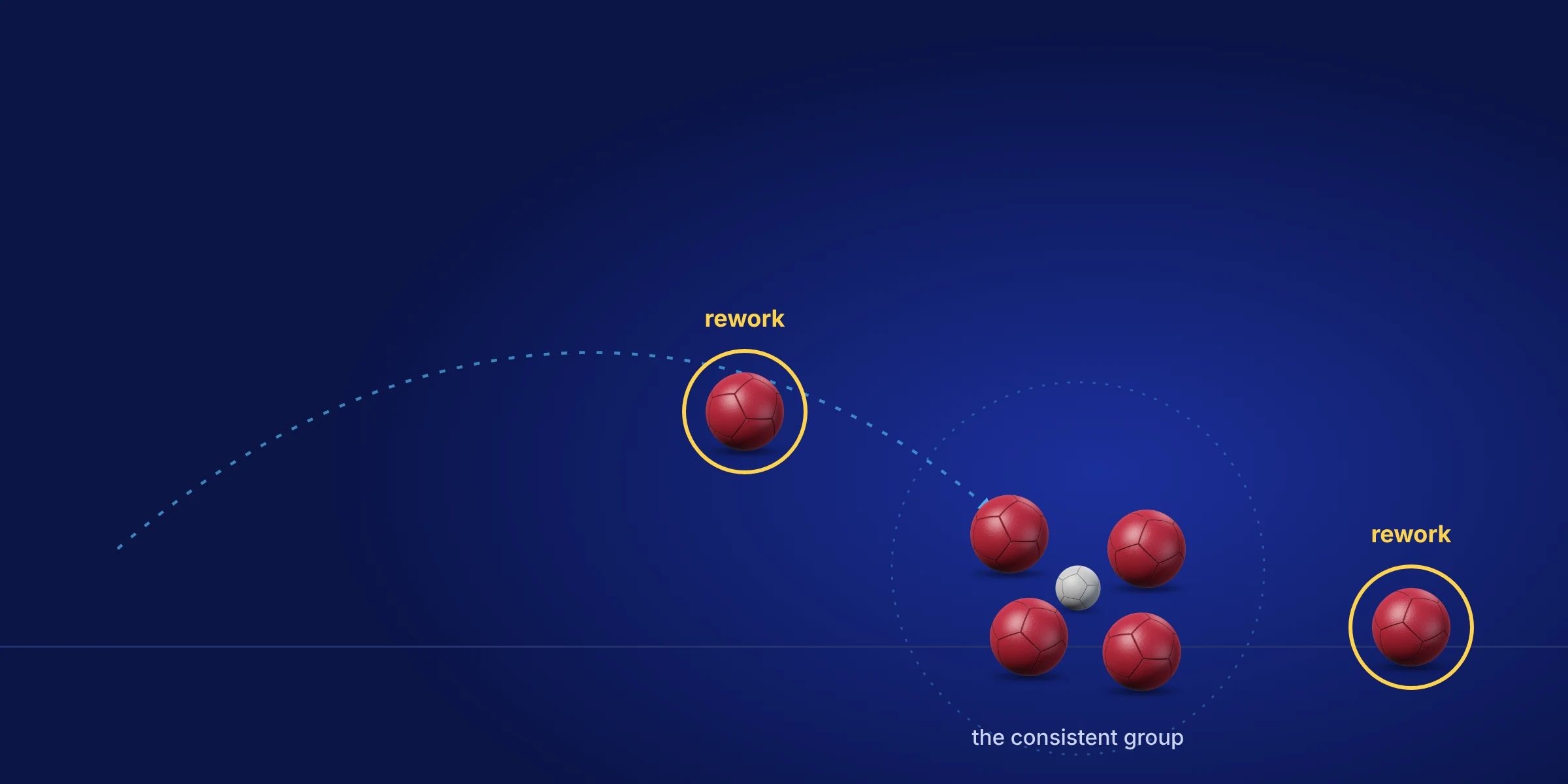
The test is done on court, balls in hand. The goal: reveal the balls that do not behave like the others.
Throw test: balls far from the group around the jack need reworking
1 · Prepare

Round each ball

Before throwing, roll the ball firmly between your two flat palms to round it.
2 · Throw

The jack, then the whole set

Throw the jack, then every ball towards it, keeping the same action and the same strength for each throw.
3 · Spot

The outliers

The balls that end up clearly away from the group need reworking. Set them aside for the next step.

What to watch, ball by ball

  • The ball rolls straight, without veering.
  • It bounces straight, without kicking sideways.
  • It stops at the same distance as balls of the same hardness.
  • The jack passes the same test as the others.
For coaches
Test the set yourself before handing it to the player. If you don’t enjoy playing with these balls, neither will the player.
Step 03

Shape each ball.

Work only on the balls spotted during the test: those that finished furthest from the jack, either because they went too far or because they veered sideways. Three actions, from the gentlest to the firmest. Only move on to the next one if the previous one was not enough.
Rolling the boccia ball firmly between the palms
1 · First

Roll between your palms

Roll the ball firmly between your two flat palms, changing direction. This is the basic action to round it.
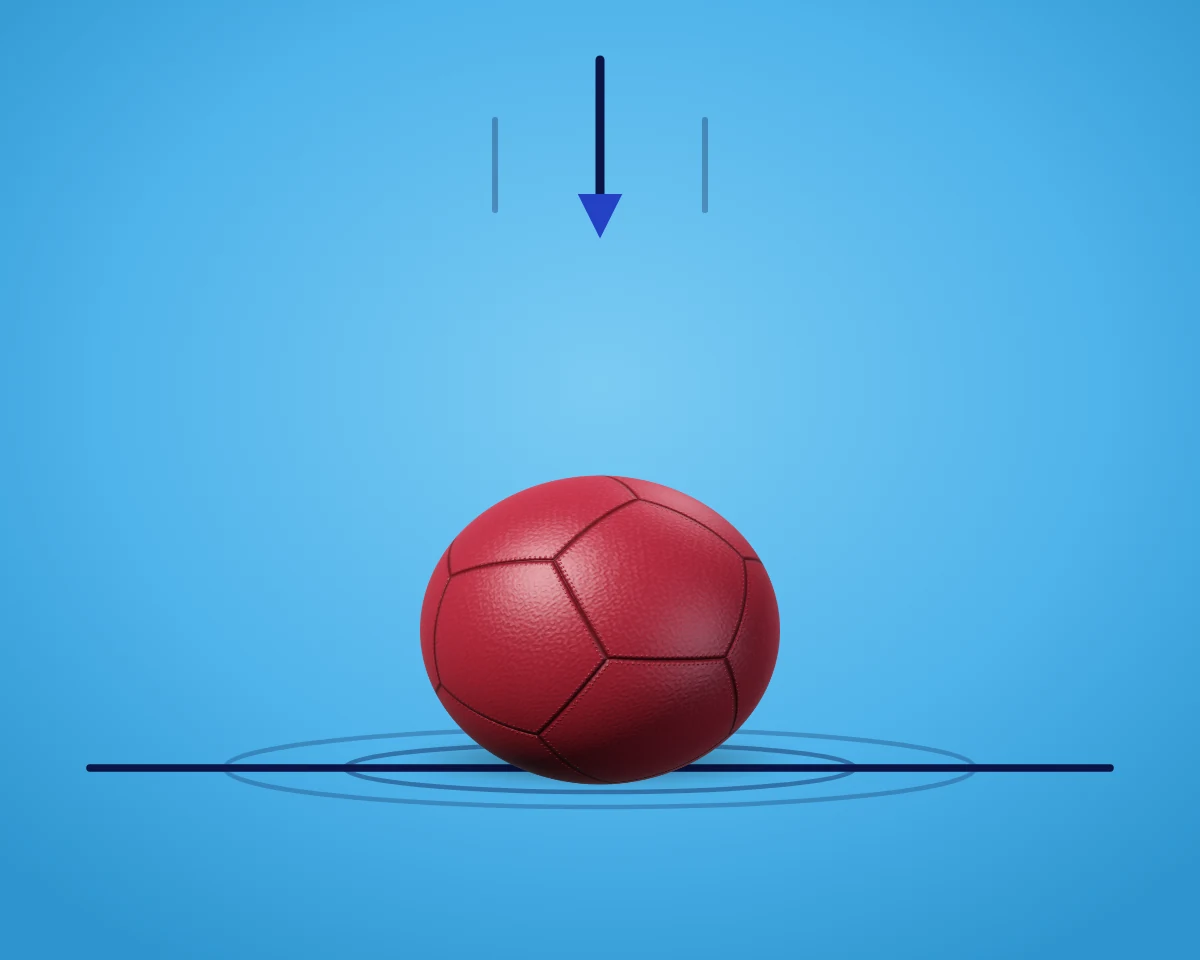
Throwing the boccia ball on the floor
2 · If that’s not enough

Throw it on the floor

Throw the ball firmly onto the floor, but without violence, several times, then round it again between your palms.
Pressing on the boccia ball with the foot, using controlled force
3 · As a last resort

Press with your foot

Place your foot on the ball, press with controlled force, then release. Do not apply excessive force, as the ball could burst.
The right rhythm

One action

on a spotted ball

One test

with the rest of the set

Back in the group?

stop there

Still not?

next action
Take it step by step. Several short sessions are better than one intense one: the aim is to bring the ball in line with the group, not to transform it.
Step 04

Repeat, until 13 out of 13.

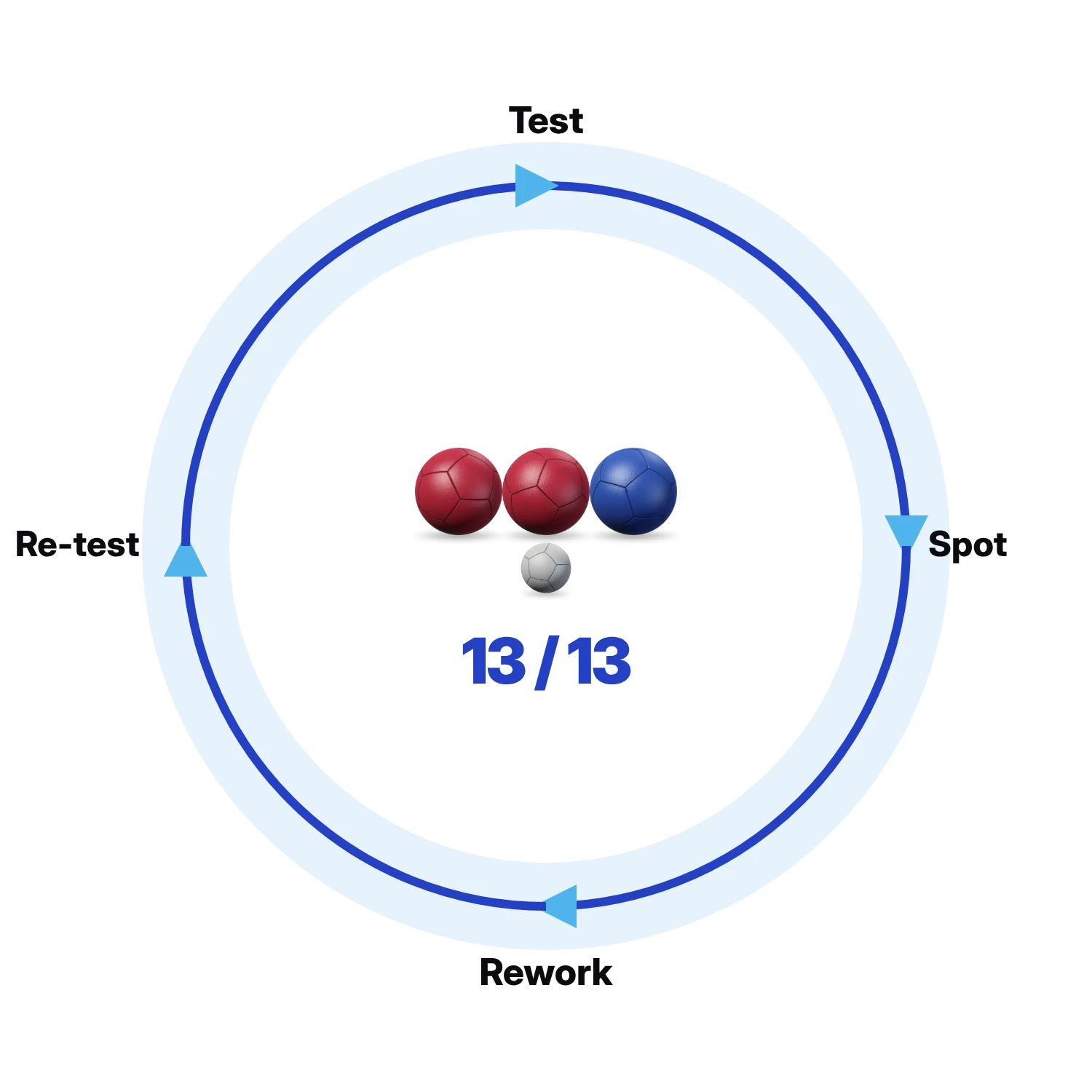
Breaking in is a loop. Test, rework, test again, until you have thirteen balls that behave the same way, with a consistent rounded shape.
Break-in loop: test, spot, rework, re-test, until 13 consistent balls

Your set is broken in when…

  • Every ball, jack included, rolls and bounces straight.
  • Balls of the same hardness finish grouped together.
  • No ball surprises you from one throw to the next.
  • Every ball has a round, even shape.

What next?

A set changes with use. Re-test it regularly and reshape any ball that strays from the group: that is what keeps it consistent over time.
If your player competes, re-check the circumference of each ball after any significant work.

Breaking in doesn’t change your set. It reveals it.

Going further

Changing a ball’s hardness.

With the same actions, some boccia balls can be worked for longer to drop one hardness category. A way to adapt the set as the player progresses, without buying everything again.
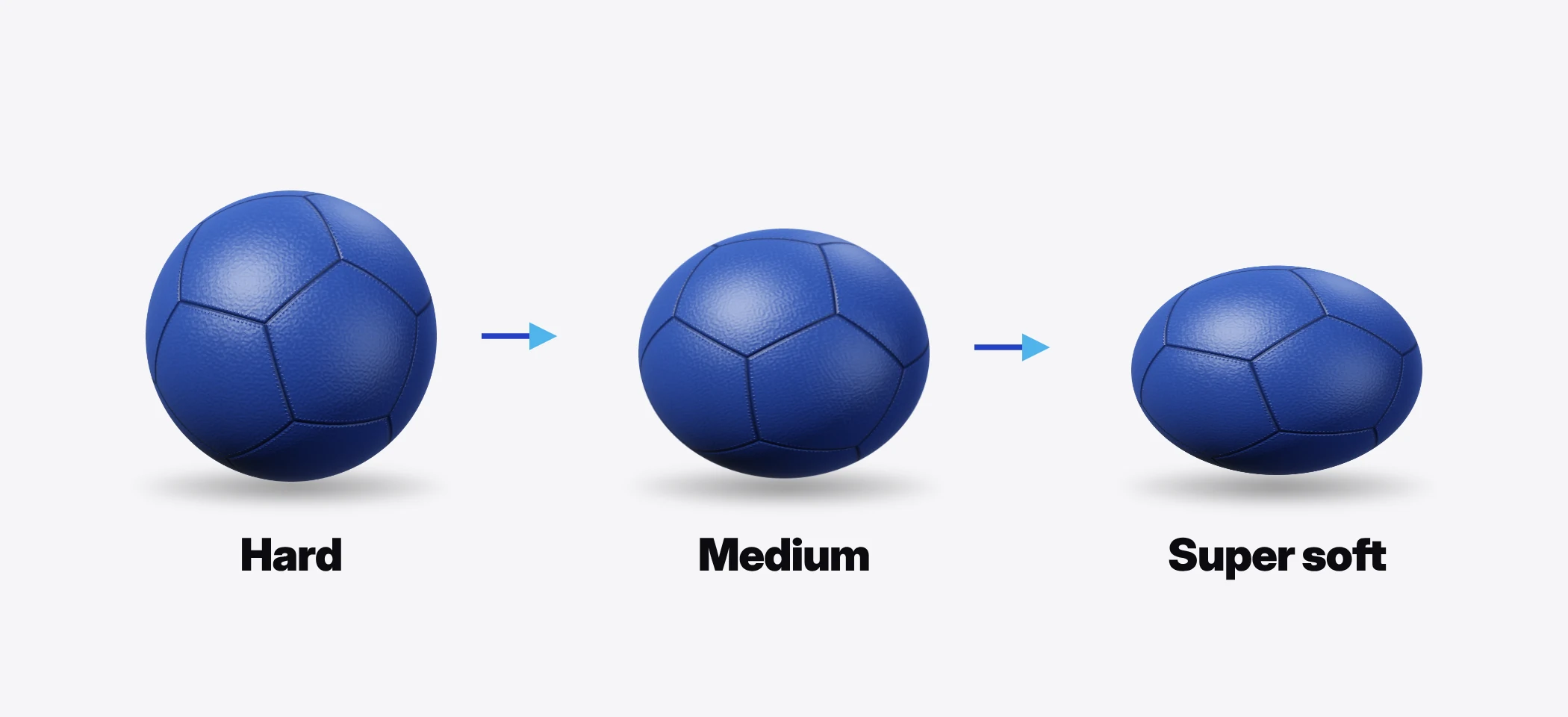
The three boccia ball hardnesses: hard, medium and super soft

Why do it?

Each hardness has its role. A hard ball rolls fast and far: it is used to hit, displace and break up the opponent’s play. A soft ball grips the court: it is a placement ball. The medium ball bridges the two.
As the player gains power, they can move towards softer balls, or mix several hardnesses in their set to widen their options.

The method

  1. Work the ball with the break-in actions: roll it between your palms, throw it on the floor, then if needed press with your foot using controlled force.
  2. Pause and compare it with a ball of the target hardness, in the hand and when thrown.
  3. Repeat until it reaches the desired density.
  4. Re-test the whole set to check that the ball fits in with the group.
Points to watch

Not every model

Only some balls are suited to this work. Ask us whether yours is one of them.

No going back

A softened ball never becomes hard again. Proceed in small steps and test often.

Compliance

For competition, re-check weight and circumference once the ball has been modified.
Ramp play

With a ramp, precision starts with the ball.

For a player using a ramp, breaking in is not optional: the whole marker system relies on balls that behave the same way.
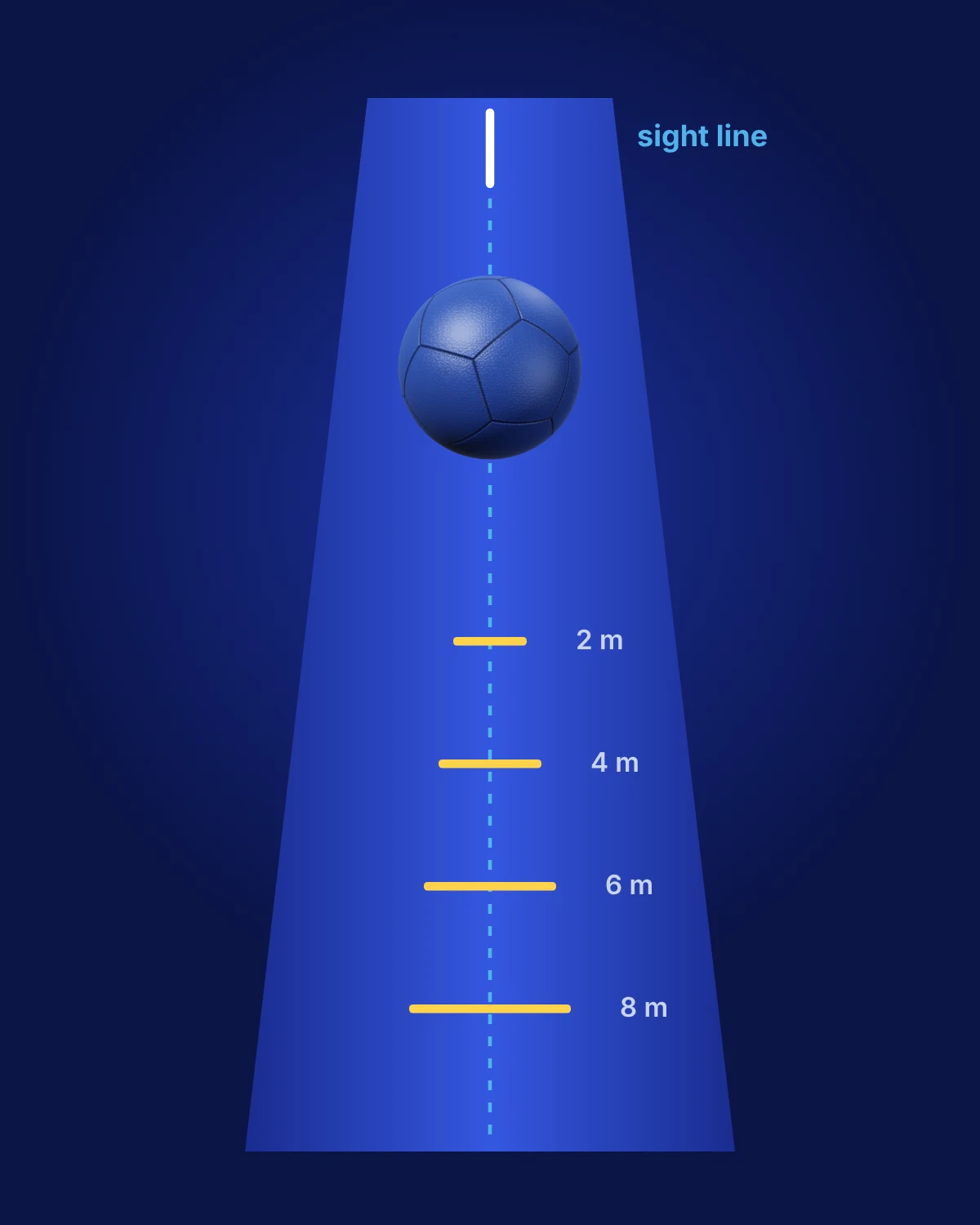
Boccia ramp with sight line and distance markers
1

Make the set consistent before any marker

Every ball used, jack included, must be tested, reworked and made consistent before the markers are set. Otherwise, the markers mean nothing.
2

One marker per ball

On a marker sheet, note the position of each ball on the ramp for every distance practised. The ball’s position in the case lets you find it again. The higher the level, the more distances you add.
3

The assistant rounds the ball

Before each throw, they roll it between their palms to round it as much as possible and improve how it rolls down the ramp.
4

Aim, release

A sight line drawn at the top of the ramp, to suit the player, helps position every ball the same way and makes each placement repeatable.
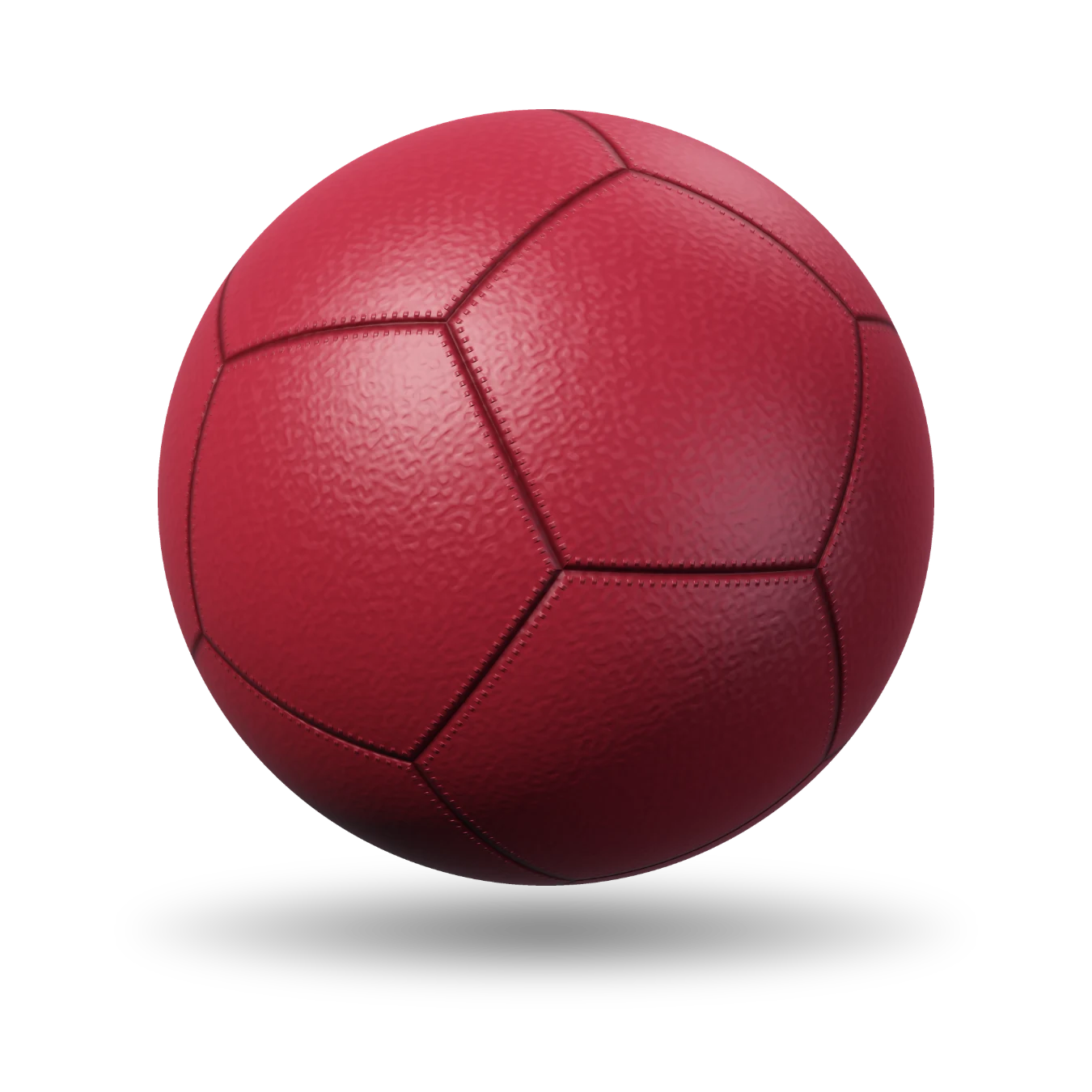
Red leather boccia ball
Is your player progressing?

Let’s take your set further.

A player gaining power or precision no longer needs the same set of balls. Tell us which set you use today and what you want to achieve next.
We will advise you on the best way to develop your set, ball by ball.
Write to us
Sport has no borders. Neither does Actinomie.

Copyright © 2026 Actinomie | All rights reserved | Siren : 891 566 085

envelopecartlaptopgift linkedin facebook pinterest youtube rss twitter instagram facebook-blank rss-blank linkedin-blank pinterest youtube twitter instagram